
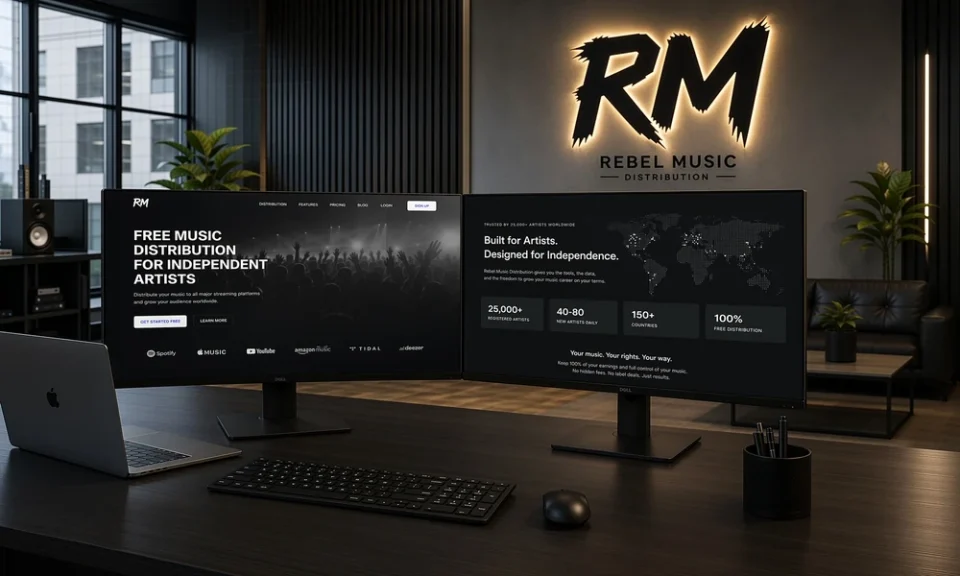
Spotify may dominate the conversation, but an independent release is no longer a one-platform event. In 2026, the smartest artists are building distribution strategies that make their music easy to discover wherever listeners already spend time.
Why a one-platform strategy leaves growth on the table
Artists often focus almost entirely on Spotify because playlist culture and public stream counts make it the most visible platform. That focus is understandable, but it can create tunnel vision. Apple Music, YouTube Music, Amazon Music, Deezer, TIDAL and regional services all represent different listener habits, territories and discovery paths. A release that underperforms on one service can still find an audience somewhere else.
Distribution is about availability before promotion begins
Promotion works best when listeners can immediately find the song on the service they already use. Sending every fan to one platform adds friction. A better approach is to make the release broadly available first, then use smart links, social posts, video content and targeted campaigns to guide listeners to their preferred service. For artists planning a wider launch, the first practical step is understanding how to get your music on all major streaming platforms. Once the release is available everywhere, promotion can be optimized around real listener behavior instead of forcing the audience into one ecosystem.
Different platforms reward different listener behavior
Spotify is heavily associated with playlists and algorithmic discovery. Apple Music has a strong subscription-driven audience and often performs differently by territory. YouTube combines music listening with search, video and user-generated discovery. Amazon Music can matter for listeners already inside the broader Amazon ecosystem. Each service has its own audience patterns, and artists benefit when they stop assuming that one platform represents the entire market.
YouTube deserves its own strategy
Many independent artists treat YouTube as an afterthought, but it is both a music service and one of the world’s largest discovery engines. Official audio, art tracks, music videos, Shorts, lyric videos and user-generated content can all introduce a song to new listeners. A release strategy that includes YouTube from the beginning creates more opportunities for search and recommendation systems to connect the music with the right audience.
Metadata consistency is critical
Multi-platform distribution only works well when artist names, song titles, featured artists, release dates, artwork and identifiers are consistent. Small metadata mistakes can place a song on the wrong artist page, split catalog visibility or create confusion for listeners. Artists should review metadata carefully before delivery and keep a record of ISRCs, UPCs and platform profile links for future releases.
Release timing should support discovery, not create chaos
Uploading at the last minute can create unnecessary risk. Stores process releases at different speeds, and corrections can take time. Independent artists should allow enough lead time for delivery, artist-profile checks, playlist pitching, pre-save campaigns and content preparation. A coordinated release date gives every platform a better chance to go live together and makes promotion much easier to manage.
Smart links can turn fragmentation into an advantage
The fact that listeners use different services does not have to make marketing complicated. A single landing page can give fans a choice of Spotify, Apple Music, YouTube Music and other destinations. That keeps social posts clean while respecting listener preference. It also helps artists avoid building their entire audience relationship around one platform’s algorithm.
Think beyond the first week
A multi-platform release should not end after launch day. Artists can rotate content formats, highlight milestones on different services, publish behind-the-scenes material, update playlists and revisit strong songs when new audience opportunities appear. Catalog tracks often gain a second life months or years after release, especially when a short-form video, playlist addition or collaboration creates fresh interest.
Measure platform-specific performance
Total streams are useful, but they can hide important differences. Artists should compare where followers are growing, which territories are strongest, where saves are highest and which services are driving repeat listening. Those patterns can guide future advertising, collaborations, touring plans and even the type of content an artist produces for each platform.
Avoid depending on a single gatekeeper
One of the biggest advantages of broad distribution is resilience. Algorithms change, editorial priorities shift and individual platforms can alter features or discovery systems. An artist with listeners spread across several services is less exposed to any one change. Diversification is not only a reach strategy; it is a risk-management strategy for an independent music career.
The goal is not to be everywhere for the sake of it
Wide distribution works best when it is paired with focus. Artists do not need to create a unique campaign for every service. They need to make the music available broadly, identify where real traction develops, and then invest more effort in the platforms and territories that respond. Distribution creates the map; audience data shows where to spend time and money.
A release system that can grow with the artist
The most effective independent release strategy in 2026 is one that remains useful as the catalog grows. Broad availability, clean metadata, flexible marketing links, platform-specific analytics and consistent rights management make future releases easier rather than harder. Artists who build that system early are better positioned to turn individual songs into a sustainable catalog and a long-term audience.
