
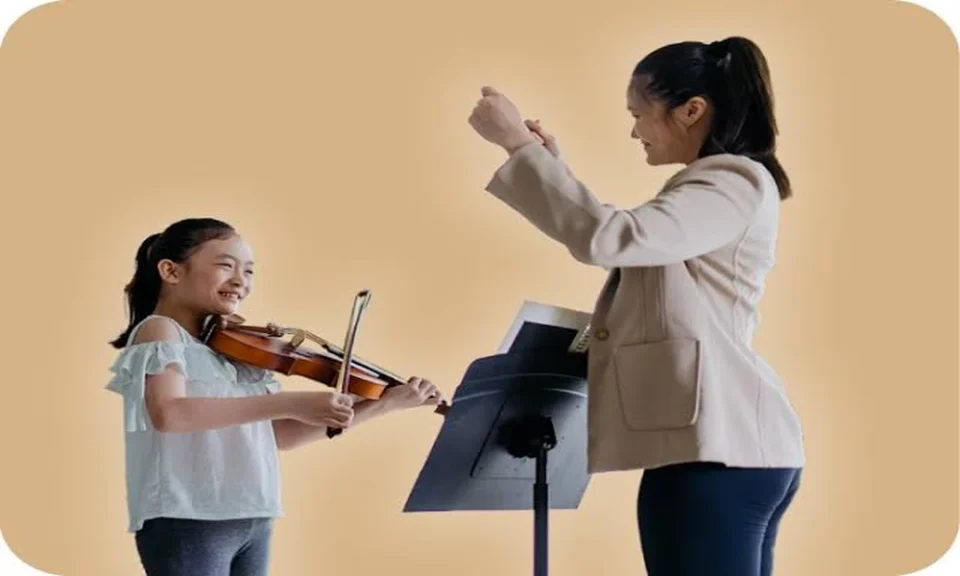
The violin has a reputation as an instrument that must be started in childhood or not at all. That belief is largely unfounded. Adults learn differently from children, but they bring patience, purpose and the ability to practise deliberately. The harder question is how to choose among the violin lessons singapore schools and private teachers advertise, since the quality of early teaching shapes posture and intonation for years. The points below are the ones that matter most when comparing options.
Start With Your Own Goal
Adults come to the violin for different reasons: a childhood wish, a hope of playing in a community orchestra, an interest in folk or film music, or simply the discipline of learning something hard. A teacher preparing a student for graded examinations will structure lessons differently from one helping someone play by ear with friends. Neither approach is superior, but a mismatch between your aim and the teaching plan is the most common reason adult learners give up.
Why the Teacher’s Adult Experience Matters
Teaching a seven-year-old and teaching a forty-year-old are different crafts. Adults want to understand why a bow hold works, they tire differently, and they are more easily discouraged by sounding poor at something. A teacher used to adults will explain mechanics clearly, set material that does not feel childish and be frank about how long it takes before the instrument starts to sound pleasant.
Posture and Set-Up in the First Weeks
The violin is held in an unnatural position, and poor set-up leads to neck, shoulder and wrist tension. Good early lessons spend real time on how the instrument rests on the collarbone, the height of the shoulder rest, the curve of the left wrist and the balance of the bow hand. A teacher who rushes to tunes while ignoring a clenched thumb is storing up problems that take far longer to undo later.
Individual or Group Tuition
One-to-one lessons allow constant correction of posture and intonation, which is hard to provide in a group. For that reason many schools recommend individual tuition for the first year. Small groups have their own merits: lower cost, the experience of playing with others and less pressure on any one person. Some violin classes designed for adults combine the two, with private lessons supported by occasional ensemble sessions. Ask what the format is, how many students share a class and whether you can switch if it does not suit.
Renting or Buying an Instrument
You do not need an expensive violin to begin, but you do need one that is properly set up. A badly fitted bridge, old strings or pegs that slip make an already difficult instrument almost unplayable. Many schools lend or rent instruments for the first months, which lets you learn what you like before buying. Adults use a full-size violin in most cases, though those with smaller hands sometimes find a seven-eighths size more comfortable.
Lesson Length and Frequency
Thirty minutes a week is workable for a beginner, though many adults find forty-five minutes allows time for both technique and a piece without hurrying. Weekly lessons are the norm because faults in posture creep back quickly without regular checking. Ask about make-up lessons, since work travel and overtime are facts of adult life. A school with a rigid attendance policy may be a poor fit for someone whose schedule changes month to month.
What Realistic Progress Looks Like
In the first three months most adult beginners learn to hold the instrument, bow open strings cleanly and play simple tunes in first position. Reliable intonation, where notes are in tune without tapes on the fingerboard, usually takes considerably longer. Be wary of any promise of rapid results. A better sign is a teacher who sets small, specific targets, such as a straight bow on the A string, and shows you how to check them yourself at home.
Practice in a Flat
Daily practice of twenty minutes is more useful than a single long session. In an apartment, a practice mute clipped to the bridge reduces volume enough for evening playing without changing the technique. Keeping the violin out on a stand, rather than zipped in its case, makes short sessions more likely. Ask your teacher to write down exactly what to practise and in what order. Vague instructions to “go over the piece” waste limited time, whereas a clear list of three tasks keeps a short session productive.
Graded Examinations or Not
Graded examinations give structure and an external measure of progress, and some adults find a date in the diary motivating. Others find that exam preparation narrows the repertoire and adds pressure they came to music to escape. Either route is legitimate. What matters is that the teacher can support the one you choose and does not push every student down the same track. If you are undecided, start without examinations and revisit the question after six months, when you know how you respond to the instrument.
Making the Decision
Shortlist two or three options and take a trial lesson with each. Pay attention to whether the teacher corrects your posture by explanation and demonstration, whether you are given a clear practice plan and whether the studio is easy to reach after work, since a long commute erodes commitment quickly. Check fees, term length and the notice needed to stop. Then choose the teacher you would be content to see every week for a year, because consistency matters more than any other factor in adult violin tuition.
