
A great bachelor party music playlist separates a forgettable night from a legendary one. The difference isn’t just audio track selection—it’s strategic pacing. This guide breaks down the psychology behind party energy arcs, maps out four distinct sonic phases from warm-up to wind-down, covers live entertainment audio logistics, and gives best men and party hosts a practical checklist to execute without a hitch.
Key Takeaways
- A bachelor party playlist should follow a deliberate four-phase arc: Warm-Up (arrivals), Escalation (peak energy), Main Event (live entertainment), and Late-Night Aftermath.
- BPM is your most powerful tool: Start around 100–115 BPM and push toward 125–130+ during peak moments before winding back down to 90–105 for the after-hours stretch.
- Party aux cord management requires a designated person—someone who controls the queue and prevents derailment from unsolicited guest requests.
- If your night includes live entertainment, clarify audio logistics in advance to avoid technical lulls at the worst possible moment.
- Offline playlists and backup cables are non-negotiable—Bluetooth drops at 11 PM can kill momentum faster than anything else.
The Science of the Party Arc: Why Energy Pacing Matters for a Bachelor Party Music Playlist
The most common mistake hosts make isn’t choosing bad songs. It’s sequencing good songs in the wrong order.
Party burnout is real. When high-energy tracks play too early—before guests have settled in, before drinks are flowing—the room hasn’t built the social warmth needed to match the music. The result? People feel the pressure to perform before they’re ready, and energy deflates rather than builds. Conversely, keeping the vibe too mellow for too long causes the group to plateau. The window for the dance floor to ignite closes quietly.
What Is the Party Arc, and Why Does It Work?
The party arc is a psychological framework borrowed from event DJs and live performance producers. It mirrors how human social energy actually moves: gradual warming, accelerating intensity, a peak, and a natural descent. Research in music psychology consistently shows that tempo and energy in music directly influence crowd behavior—faster BPM elevates heart rate and physical responsiveness, while slower tempos encourage conversation, reflection, and intimacy.
For a bachelor party specifically, the arc matters because the night typically spans several environments or activities. Each transition is an opportunity to recalibrate the energy—intentionally.
The four phases are:
- Phase 1: Warm-Up (arrivals and pre-drinks)
- Phase 2: Escalation (peak energy and dancing)
- Phase 3: The Main Event (live entertainment)
- Phase 4: Late-Night Aftermath (after-hours wind-down)
Phase 1: Bachelor Party Playlist Warm-Up — Setting the Tone on Arrival (100–115 BPM)
The warm-up phase is arguably the most underestimated part of the night. This is when guests trickle in, drinks are poured, and the social temperature starts to rise. The music’s job here isn’t to command attention—it’s to create an atmosphere that facilitates easy conversation and signals that the night has a pulse.
What Genres Work Best for the Warm-Up Phase?
Target a BPM range of 100–115 and lean into genres that feel elevated without feeling overwhelming:
- Deep house: Artists like Larry Heard, Jayda G, or modern acts like Fred again.. create warmth and groove without demanding the floor.
- Chilled funk: Think classic-era Prince, Daft Punk’s “Homework”-era tracks, or modern funk-adjacent acts like Parcels.
- Mid-tempo hip-hop: Kendrick Lamar’s more introspective cuts, J. Cole, or early Drake provide familiarity and low-key energy that works across age groups.
How Long Should the Warm-Up Phase Last?
Plan for 45–75 minutes, depending on how staggered your guest arrivals are. Don’t rush the escalation. The warm-up phase earns you the right to turn it up later.
Pro tip: Build a dedicated warm-up sub-playlist and set it to shuffle. Avoid putting on a full album—song familiarity should be moderate at this stage, not predictable.
Phase 2: The Escalation — Peak Energy and Bachelor Party Hype Tracks (125–130+ BPM)
Once the room is warm—drinks in hand, conversations overlapping, the groom in high spirits—it’s time to shift gears. The escalation phase is where your bachelor party hype tracks live, and where the night moves from background music to an active, kinetic experience.
How Do You Transition from Warm-Up to Peak Energy?
A clean house party DJ transition doesn’t happen with a jarring tempo jump. It happens in steps. Use 3–5 bridge tracks that progressively increase in BPM and intensity before dropping into your peak material. This is the sonic equivalent of a runway—guests don’t even realize they’re being led somewhere until they’re already dancing.
Effective escalation tracks share a few characteristics:
- Heavy, driving bass that creates physical urgency
- Familiar hooks or anthemic drops that reward recognition
- Consistent rhythm that doesn’t require effort to move to
What Genres Dominate the Escalation Phase?
At 125–130+ BPM, your core genres are:
- EDM anthems: Tiësto, Martin Garrix, Avicii classics, and newer acts like Fisher or Chris Lake for a more underground edge
- High-octane trap: Travis Scott, Young Thug, Future—tracks with heavy 808s and fast hi-hats that command movement
- Hard bass / tech house: For groups with a more club-oriented taste, acts like John Summit or Dom Dolla bridge the commercial and underground worlds effectively
Bold the moment: The escalation phase needs a clear sonic peak—one or two tracks that everyone in the room will feel simultaneously. Plan this deliberately. It’s the musical equivalent of the best man’s toast.
Phase 3: The Main Event and Bachelor Party Music Logistics for Live Entertainment
If the night includes live entertainment—a performer, a guest act, or any form of coordinated show—this phase requires more preparation than a playlist. It requires audio logistics planning.
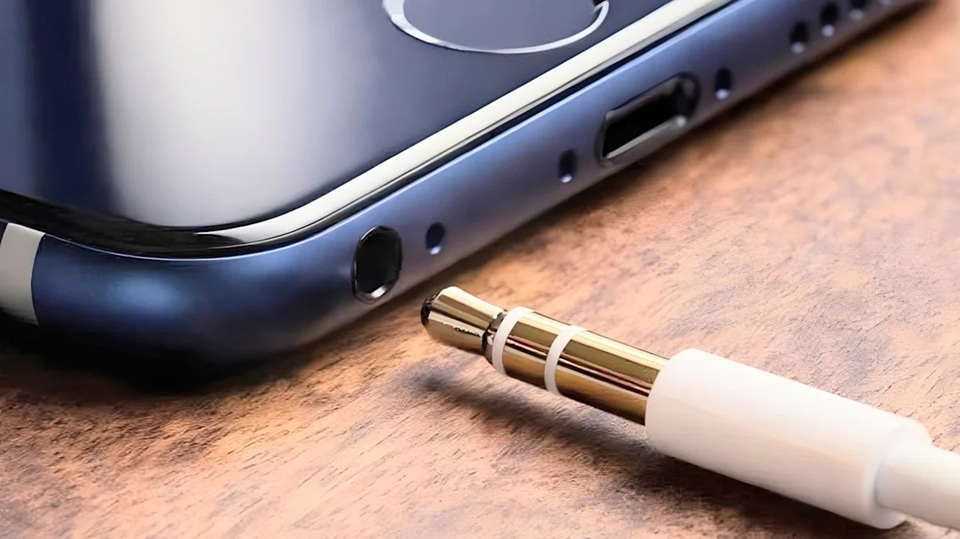
Bluetooth vs. Aux: Which Connection Is More Reliable for a Bachelor Party?
This question comes up constantly in party aux cord management, and the answer depends on your setup:
| Connection Type | Pros | Cons |
| Bluetooth | Wireless, convenient, widely supported | Susceptible to interference, occasional pairing drops |
| Auxiliary (3.5mm) | Stable, zero latency, universal | Cable length limitations, can be tripped over |
| USB Audio | Highest quality, stable | Requires compatible hardware |
For a high-stakes moment like live entertainment, aux or USB should be your primary connection—with Bluetooth as backup, not the other way around. Signal drops during a performer’s entrance are a momentum killer that no playlist recovery can fix.
Why You Need a Designated Aux Manager
Every successful party night with a bachelor party music playlist at its core has one thing in common: someone owns the queue. The Aux Manager isn’t just the person holding the phone—they’re responsible for:
- Monitoring the current track and cueing the next one before it ends
- Fielding (and tactfully declining) unsolicited requests at the wrong moment
- Managing volume transitions between phases
- Coordinating connection handoffs when a live performer takes over the sound system
Without this role assigned explicitly, the aux cord becomes a free-for-all, and the energy arc you’ve carefully built collapses.
How to Coordinate Audio for Live Entertainment at a Bachelor Party
When live entertainment is part of the lineup, confirm audio requirements well before the night. Specifically: does the performer bring their own music, or will they need access to your sound system?
According to Strippers For You, a professional entertainment agency with over 25 years of experience, professional performers typically bring their own curated playlists and connect via Bluetooth or auxiliary cable—but the host is responsible for providing a functional, high-quality sound system. Their team notes that performers also carry physical backup cables and offline-stored audio files to guard against connectivity issues.
Clarifying this upfront prevents a scenario where your sound system is incompatible, volume levels are mismatched, or a crucial technical moment interrupts the flow of the performance. Ask during booking—not on the night.
Phase 4: The Late-Night Aftermath — After-Hours Vibes (90–105 BPM)
Not every bachelor party ends at midnight. For the crew that’s still standing, the late-night phase needs its own intentional soundtrack. This isn’t about killing the energy—it’s about shifting it. The after-hours window is looser, more personal, and often produces the most memorable conversations of the night.
What Music Works Best for the Late-Night Phase of a Bachelor Party?
Drop the BPM back to 90–105 and shift toward genres that reward lingering:
- Lo-fi hip-hop: Nujabes, J Dilla, or modern Spotify-adjacent lo-fi channels create a laid-back groove without putting anyone to sleep.
- Classic rock: The Beatles, Fleetwood Mac, Tom Petty—genre nostalgia creates communal singalong moments that feel earned at this stage of the night.
- Melodic techno / ambient electronic: Artists like Bicep, Jon Hopkins, or Four Tet sustain a late-night atmosphere for groups with a more electronic taste without pushing tempo too high.
Should the Late-Night Playlist Be Pre-Built or Improvised?
Pre-build a loose framework of 15–20 tracks, then allow flexibility. At this stage, reading the room matters more than sticking to a strict sequence. If three people are singing along to a classic rock track, let it breathe. If the group pivots toward a particular mood, follow it.
Bachelor Party Host Checklist: What to Prep Before the Night Starts
A well-curated bachelor party music playlist only performs as well as the infrastructure supporting it. Before the night begins, run through this party planning checklist:
Pre-Party Audio Prep
- Download playlists for offline playback: Spotify, Apple Music, and Tidal all support offline mode. Activate it for every playlist you plan to use—don’t rely on venue Wi-Fi or cellular data.
- Charge all devices: Phone, portable speaker, and any secondary devices used as backup. Bring a portable battery pack.
- Test Bluetooth and aux connections in advance: Pair devices and verify volume output from the actual speaker or sound system you’ll be using—not just your phone’s built-in speaker.
- Set up a hardware charging station: Dedicate a power strip with at least three slots near your audio setup so devices stay charged throughout the night.
Noise and Logistics
- Check local noise ordinances: Know the cut-off time for amplified sound at your venue, whether it’s a private residence, rented house, or outdoor space.
- Do a sound level check before guests arrive: Walk to the perimeter of the property and gauge how far sound travels. Adjust accordingly.
- Assign the Aux Manager: Name the person before the party starts. This isn’t optional.
- Confirm live entertainment audio requirements: If you’ve booked a performer, verify their connection preferences and speaker requirements at least 48 hours in advance.
Playlist Structure Summary
| Phase | BPM Range | Duration | Genre Focus |
| Warm-Up | 100–115 | 45–75 min | Deep house, chilled funk, mid-tempo hip-hop |
| Escalation | 125–130+ | 60–90 min | EDM, trap, tech house |
| Main Event | Varies by performer | 30–60 min | Performer-controlled |
| Late-Night Aftermath | 90–105 | Open-ended | Lo-fi, classic rock, melodic techno |
Build the Playlist Before You Buy the Ice
Great bachelor party nights aren’t improvised—they’re engineered to feel spontaneous. The four-phase arc gives you a proven framework. The checklist gives you the operational confidence to execute it. The Aux Manager makes sure the whole thing doesn’t get derailed by someone who insists on playing the same song twice.
Start building your bachelor party music playlist at least a week out. Use the BPM ranges as your guide, construct each phase as a separate playlist, and run a full dry-test the day before the party. The groom doesn’t need to know how much went into the soundtrack—he just needs to have the best night of his pre-married life.
That part’s on you. Make it count.
Frequently Asked Questions
How many songs should a bachelor party playlist have?
A well-structured bachelor party playlist typically needs 80–120 songs across all four phases to cover a 6–8 hour night without repeating tracks. Build more than you think you’ll need—especially for the warm-up and late-night phases, where mood shifts can be unpredictable.
What BPM should bachelor party music be?
BPM should escalate throughout the night. Start between 100–115 BPM during arrivals, push to 125–130+ BPM at the party’s energy peak, then ease back to 90–105 BPM for the late-night phase. Abrupt BPM jumps—rather than gradual transitions—are the most common cause of premature energy drops.
Should you use Spotify or Apple Music for a bachelor party playlist?
Both platforms work well, but the critical factor is offline mode. Activate offline playback on whichever platform you use before the night begins. Cellular dead zones and overloaded Wi-Fi networks are common at private venues, and a buffering track during a peak moment is difficult to recover from.
What’s the best way to handle unsolicited song requests at a bachelor party?
Assign a dedicated Aux Manager before the party starts. This person’s role is to manage the queue, process (or politely decline) requests, and ensure the playlist arc isn’t disrupted. A good rule of thumb: requests are welcome during the warm-up and late-night phases, but the escalation phase should be protected.
Do professional entertainers bring their own music to a bachelor party?
Yes—professional performers typically bring their own curated playlists loaded onto a personal device, with Bluetooth and auxiliary cable connection options. However, the host is responsible for providing a functioning sound system with adequate volume output. According to Strippers For You, performers also carry offline backups and physical cables to guard against connectivity failures, but confirming technical requirements with your booking agency at least 48 hours before the event is strongly recommended.
How do you transition between phases without killing the energy?
Use 3–5 bridge tracks between each phase to create gradual BPM shifts rather than jarring jumps. Crossfade settings on Spotify (available under playback settings) can also smooth transitions between tracks automatically, mimicking a basic house party DJ transition effect.
